
- 18 March 2026
- Back to overview


Rudolf DHA Algae Bites - More than just a vegan dog snack
Our Vegan4Dogs family is growing – and we couldn't be prouder. With Rudolf, our new DHA algae snack, a very special family member is joining us. A snack that not only connects, but also nourishes.
Table of Contents
A Heart from the Waters for Your Heart on Paws
Two Superheroes: Schizochytrium & Chlorella
Exciting findings from the research literature, or a brief glance at the sources
Rudolf & Curly – The Powerful Sibling Duo
Nutritional Value and Feeding Recommendation
Why Rudolf? Because Caring is the Most Beautiful Language or this is how sustainable Rudolf is
Key Features
Special Note
Sources
A Heart from the Waters for Your Heart on Paws
Sometimes you don't need big words to say ‘I love you’. A glimpse, a joyful wag of the tail or a gentle touch is enough. With our new Rudolf DHA Algae Bites, you're giving your dog more than just a snack – you're giving them a promise.
Each single bite is lovingly shaped like a heart and packed with the precious omega-3 fatty acids DHA (19.4%), DPA (3.32%), and EPA (0.28%). A little heart that says: I see you.
Two Superheroes: Schizochytrium & Chlorella
Rudolf combines the power of two algae superheroes. Scientific findings (including those by Bauer, Januszewski and Olson*) provide valuable insights into the potential of these marine- and freshwater organisms for the health of our dogs:
- Schizochytrium – The Clever Strategist: This microalgae is a specialist in docosahexaenoic acid (DHA), which can make a beneficia contribution to the normal development of the nervous system and the maintenance of vision. But it offers much more: as a whole algae, it also provides the often underestimated DPA (docosapentaenoic acid), which serves as a flexible store for omega-3 requirements in the body.
Thanks to its amino acids and proteins, Schizochytrium supports cell structure, while its natural pigments (carotenoids) and antioxidants such as vitamin E not only protect the precious fatty acids, but also benefit cell protection in the dog's body.
- Chlorella – The Green Protector: As one of the most nutrient-rich ‘plants’ on earth, it contains a wide range of ingredients. In addition to its high chlorophyll content, it provides essential minerals such as iron, magnesium and zinc. Chlorella is also known for its prebiotic properties: its special fibre can support balanced intestinal flora and harmonious digestion. As a natural antioxidant, it also helps to strengthen the skin's barrier function – for a nourished appearance and a shiny coat.
Exciting findings from the research literature, or a brief glance at the sources
In particular, the study by Bauer1 showed that DHA plays a central role in the neurological development of puppies. In the study involving 48 Beagle puppies, those that were given DHA performed significantly better in the learning and memory tests carried out.
Further work by Bauer2,3 also emphasises the importance of omega-3 fatty acids, especially DHA, for dogs and cats in different stages of life. In addition to promoting the development of the nervous system, they also support inflammation-regulating processes, for example in wound healing or joint problems.
A study by Roush4 showed that a DHA-rich diet has positive effects on dogs diagnosed with osteoarthritis. Over a period of 12 weeks, the affected dogs benefited from improved mobility, and in some cases, the use of painkillers could even be reduced.
*Please also read the special note at the end of the blog post related to this paragraph.
Rudolf & Curly – The Powerful Sibling Duo
Those who have known us for a while know that providing the right amount of omega-3 fatty acids, especially DHA and EPA, is particularly important to us.
Rudolf contains another important omega-3 fatty acid: DPA. Together with DHA and EPA, DPA has antioxidant and anti-inflammatory effects, especially in tissues that are exposed to high levels of oxidative stress5.
Compared to Curly, Rudolf contains a higher amount of docosapentaenoic acid (DPA, 3.32%). DPA is a long-chain omega-3 fatty acid that often comes together with DHA and EPA. It's especially interesting that DPA is part of a flexible conversion network:
- The body can first synthesise EPA from the plant-based omega-3 precursor ALA (alpha-linolenic acid).
- EPA can be further extended to DPA, which in turn can be converted to DHA as needed.
- In addition, DPA can also be converted back into EPA if necessary, so that omega-3 fatty acids are dynamically available in the body as needed.
Thus, DPA not only has a direct effect, but also supports the efficient use of DHA and EPA and ensures flexible omega-3 reserves5.
In Curly, DPA is only present in trace amounts compared to Rudolf. However, Curly contains a higher EPA content of 9.5%, which makes Rudolf and Curly a powerful combination, as DHA, EPA and DPA can have particularly beneficial effects on health when combined.
We have dedicated a separate blog post to the nutrients DHA and EPA and explained their functions in detail in our post on Curly. Perhaps you are wondering whether our popular Curly algae oil or the new Rudolf Bites are better suited to you? Mixing is key!
- Curly for the daily ritual in the bowl: if you like to refine your dog's meals precisely, Curly is your ideal foundation. The oil can be perfectly dosed and is simply mixed into the food – ideal for dogs that consume their nutrients “invisibly” and directly with their main meal.
- Rudolf for love from the palm of your hand: Rudolf is your flexible companion for all those moments when there is no bowl nearby. The hearts are ideal as rewards during training, as a functional extra when travelling or for relaxing together. Rudolf is designed for all caregivers who want to combine the gift of valuable nutrients with an interactive moment of closeness.
Nutritional Value and Feeding Recommendation
Rudolf is not only rich in omega-3 fatty acids (DHA – 19.4%, EPA – 0.28%, DPA – 3.32%) but also high in protein (27.1%) – and completely vegan. This makes him perfect for on the go, as a small dessert or as a training treat, without unnecessary additives: sugar-free and wheat-free.
The combination of vegan protein and valuable omega-3 fatty acids makes Rudolf a nutrient-rich snack that supports your dog's health. At the same time, he provides important nutrients that dogs need. Never mind what anyone says about dogs needing meat because they are related to wolves 😉
Depending on the size of your dog, you can give them 4 to 26 hearts a day. You can find the exact feeding recommendation on the back of the packaging.
This makes omega-3 supply flexible, suitable for everyday use and available exactly where it is needed – a small heart with a big impact.
Why Rudolf? Because Caring is the Most Beautiful Language or this is how sustainable Rudolf is
Our Rudolf DHA Algae Bites are the purely plant-based answer to the question of a modern omega-3 supply. Instead of using fish oil such as salmon oil or krill oil, we go straight to the source: algae. This not only protects our oceans, but also provides your dog with a high-quality supply of DHA – without any animal fats.
Goodbye green-lipped mussel powder, salmon oil and krill oil. With Rudolf, you protect fish communities and preserve the delicate balance of our oceans. Our bites are purely plant-based and a sign of compassion for all living creatures – above and below the water.
But our promise of protection doesn't end with the contents: Rudolf's packaging is made entirely of paper. No plastic coating, no composite materials. After snacking, you can simply dispose of the empty bag directly in the paper waste. Together, we leave nothing but love and a clean paw print behind.
You may be wondering how to close the bag. You can use any fastener you like, whether it's a paper clip or a clothes peg. The packaging can be folded and easily closed, and the great thing is that you can reuse the fastener over and over again.


Curly and Rudolf at Your Home
We would love to hear how you include Curly and Rudolf in your everyday life. Share your experiences with us – and with your friends and family. Rudolf, in particular, is a plant-based algae snack that is still something special and rarely found in this form. Perhaps it is the perfect, practical alternative or addition?
Angelina often thinks back to her dog in this context. Long before Vegan4Dogs was founded, she intuitively fished algae out of the pond, rolled it into small balls and fed it to her dog as a snack. Her dog loved these little algae bites – and would certainly have loved Rudolf.
Was this one of the little secrets behind her reaching the ripe old age of 18? We will never know for sure. But we firmly believe that attentive care, high-quality nutrients and loving rituals make a difference.
We look forward to hearing about your experiences and how Rudolf will find a place in your hearts.
Auf einen Blick
- DHA-Power: Contributes to normal brain and vision function
- DHA & DPA Reservoirs: Support for cognitive fitness and flexible omega-3 reserves
- Chlorella Protection: Support for skin, coat & general vitality
- Sustainability: Protects fish communities and oceans
- Zero Waste: Packaging 100% recyclable in paper waste
- The Duo: The ideal snack to complement our Curly Algae Oil
Our Promise: With Rudolf, you are choosing ethics, quality, and pure plant power. For a long life full of heartfelt moments together
Special Note
Despite promising results, animal studies should always be viewed critically.
We would like to point out that we aim to work scientifically, but we also view such studies critically as they are associated with ethical challenges: the animals are often exposed to stressful or unpleasant stimuli and are kept in conditions that are not species-appropriate.
These stimuli can cause stress, anxiety and a reduced quality of life. Even if the scientific findings are valuable, we should always question the negative effects of the experiments on the animals' well-being and whether the findings justify the use of animals.
Some studies have examined Beagle puppies, a single breed of dog that was bred solely for human pleasure. Many other findings come from rodents, among others, which are kept in conditions that are not species-appropriate and exclusively for experimental purposes. Unfortunately, we do not know how the other animals mentioned, such as dogs, are kept in such studies. According to our research, Beagles are the preferred breed for research purposes and are considered classic ‘laboratory animals’ because they are considered particularly good-natured, tolerant and not very aggressive. In addition, their size and genetics are ideal for most research projects. We assume that these dogs do not usually come from private households, but from specially designated breeding facilities and – similar to other laboratory animals – are housed under corresponding conditions in kennels at research institutions.
Sources
1. Bauer JE. Responses of dogs to dietary omega-3 fatty acids. J Am Vet Med Assoc. 2007.
https://pubmed.ncbi.nlm.nih.gov/18052798/ (accessed 02.03.2026)
2. Bauer JE. The essential nature of dietary omega-3 fatty acids in dogs. J Am Vet Med Assoc. 2016.
https://pubmed.ncbi.nlm.nih.gov/27875089/ (accessed 02.03.2026)
3. Bauer, John. (2008). Essential fatty acid metabolism in dogs and cats. Revista Brasileira de Zootecnia. 2008.
https://www.researchgate.net/publication/250039329_Essential_fatty_acid_metabolism_in_dogs_and_cats (accessed 02.03.2026)
4. Roush, James K., Alan R Cross, Walter C Renberg, Chadwick E Dodd, Kristin A Sixby, Dale A Fritsch, Timothy A Allen, Dennis E Jewell, Daniel C Richardson, Phillip S Leventhal, Kevin A Hahn. Evaluation of the effects of dietary supplementation with fish oil omega-3 fatty acids on weight bearing in dogs with osteoarthritis. 2010.
https://pubmed.ncbi.nlm.nih.gov/20043801/ (accessed 08.10.2026)
5. Dyall SC. Long-chain omega-3 fatty acids and the brain: a review of the independent and shared effects of EPA, DPA and DHA. Front Aging Neurosci. 2015.
https://pmc.ncbi.nlm.nih.gov/articles/PMC4404917/ (accessed 02.03.2026)
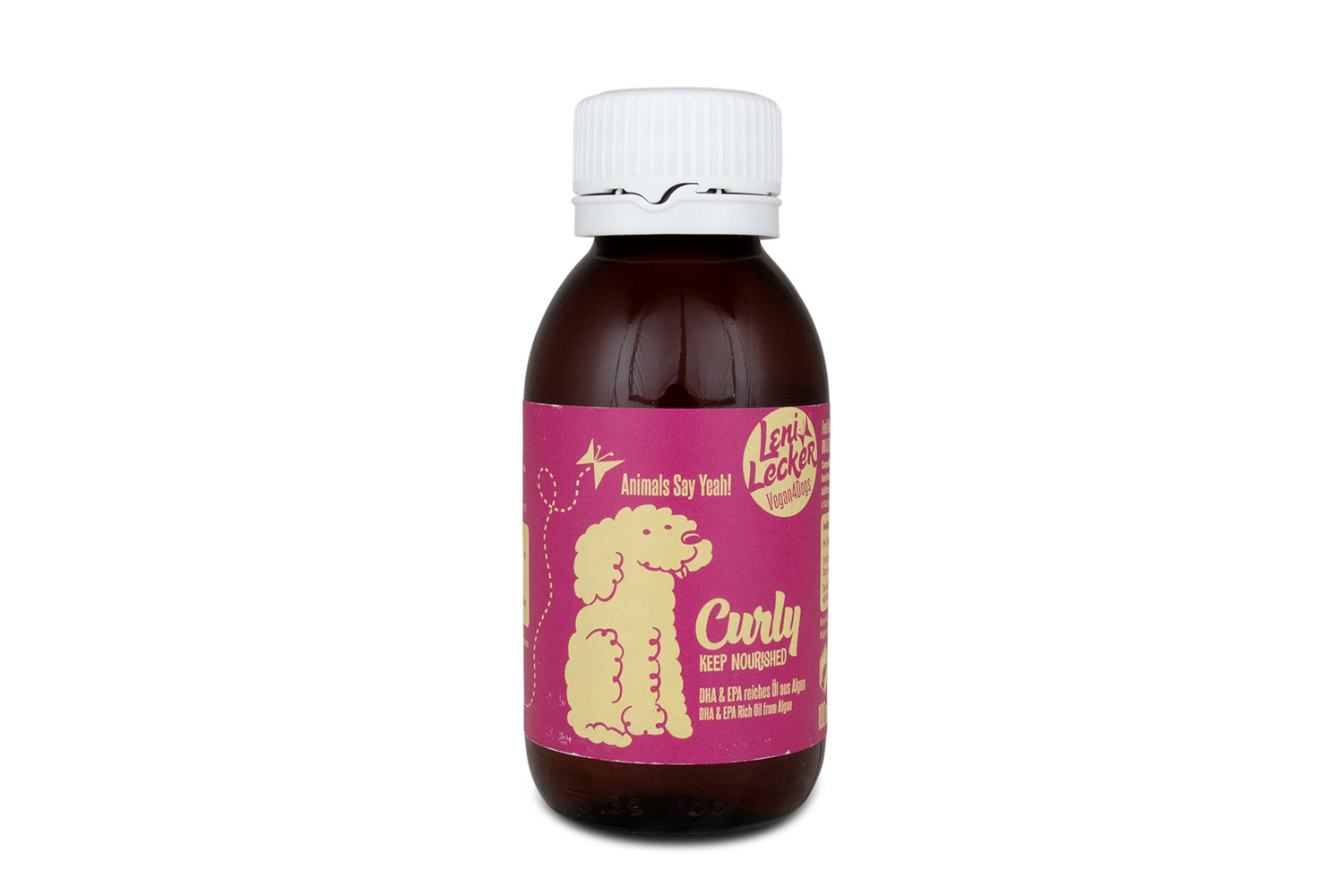
CurlyFeed Material for DogsCurly is our vegan DHA and EPA oil made from algae. A high-quality Omega 3 oil for dogs that can specifically support the health of your companion.Why omega-3 is so importantOmega-3 fatty acids are essential for many bodily functions: they support the heart and circulation, promote brain development, can have anti-inflammatory properties and contribute to healthy skin and a shiny coat.In our detailed blog post you can find out what DHA and EPA are important for and what is special about Curly.Curly's BenefitsCurly is made from 100% pure algae oil - no unnecessary omega-6 fatty acids, no calorie trap as you only need a small amount.The vegan and environmentally friendly alternative to salmon oil for dogs - Good for your Dog and the Planet.Our oil for Curly comes from the microalgae Schizochytrium sp. - one of the few types of algae that naturally produce a very high concentration of DHA (docosahexaenoic acid) and EPA (eicosapentaenoic acid). It is also easy to grow and is cultivated sustainably in closed tanks in the USA. This means we can guarantee that our algae do not come from the sea and do not jeopardise marine ecosystems and the nutritional basis of fish.Feeding RecommendationThe demand for EPA and DHA can vary depending on the dog's age, activity and any existing medical conditions. Our Curly is a highly concentrated algae oil containing approx. 378mg DHA and 95mg EPA in 1ml.We recommend a dosage of 1ml per 10kg body weight. One teaspoon corresponds to approx. 4ml.Curly can be optimally combined with our kibble Greta, canned food Pauline and our home-cooking recipes.StorageAfter opening, Curly should be stored in a cool place protected from light, ideally in the refrigerator, as the algae oil develops an intense marine odour and taste when exposed to light and at room temperature, although this does not have a negative effect on the potency of the oil.Let your dog decide!
Content:
100 Milliliter
(€0.20* / 1 Milliliter)
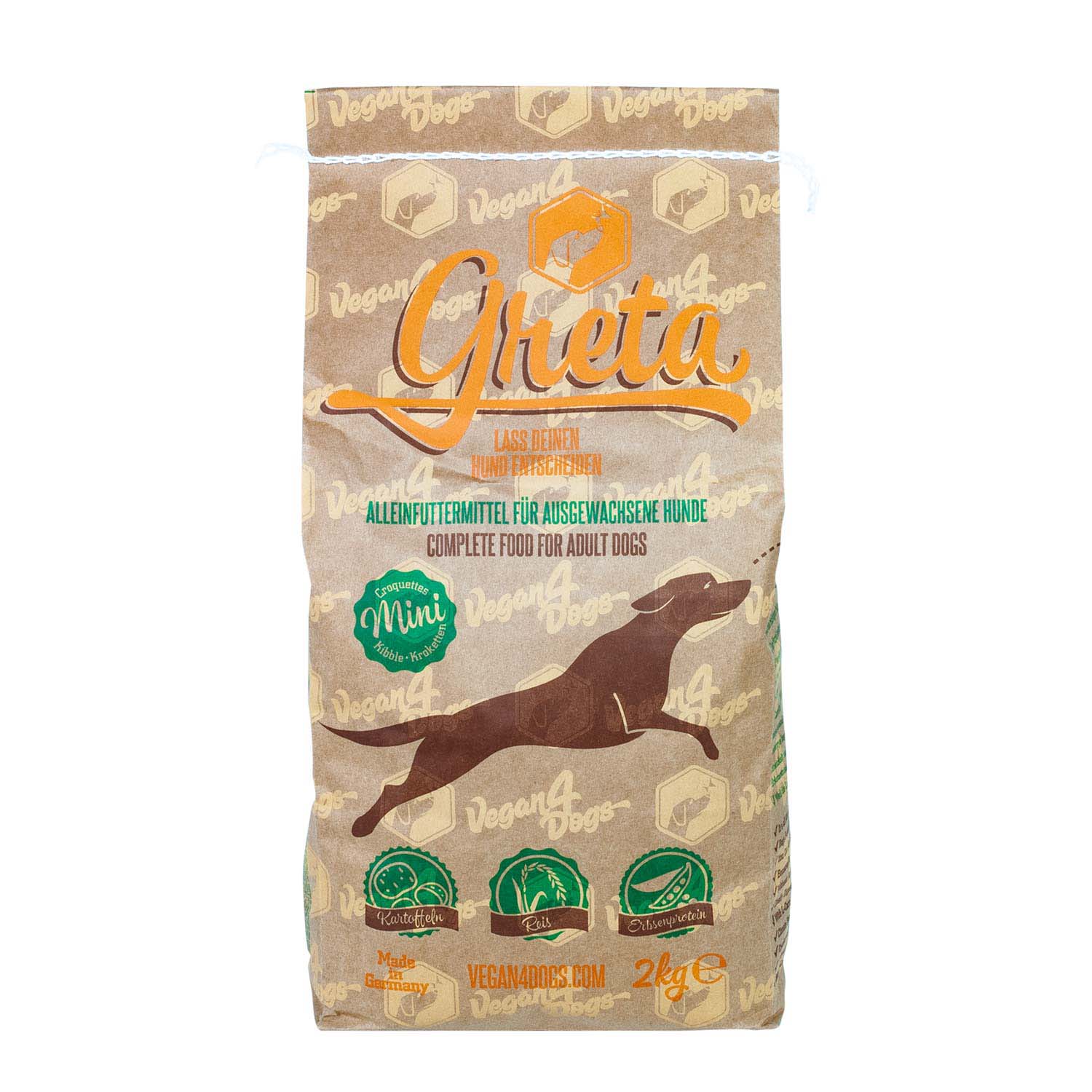
GretaComplete Food for DogsGreta is our complete food for adult dogs by Vegan4Dogs.Developed in collaboration with experts from the field of animal companion nutrition it meets the nutritional requirements for a balanced diet for (vegan) dogs.To provide your dog with energy, Greta comes with easily digestible rice combined with potatoes. Canola oil complements the energy of the carbohydrates and provides strength.The best of pea protein along with lentils, sunflower seeds and flax seeds provide your dog with protein for its maintenance metabolism. Carrots and beet root refine Greta's taste. Lovage adds its aromatic flavour.Savory, papaya leaves and fructooligosaccharides support the digestion along with chestnut.Cranberries encourage urine acidification.The algae Schizochytrium limacinum provides omega 3 fatty acids (DHA).Sea salt and seaweed meal provide essential minerals and are optimally complemented by carefully chosen additives.With L-carnitine and taurine as well as essential vitamins like B12 and minerals Greta is a complete and balanced food.Feeding RecommendationEach dog is different; you know your dog the best. Adjust the amount of food according to the vitality, age and health of your dog. Take care to always provide sufficient amounts of fresh water.Let your dog decide!
Content:
2 Kilogramm
(€7.75* / 1 Kilogramm)
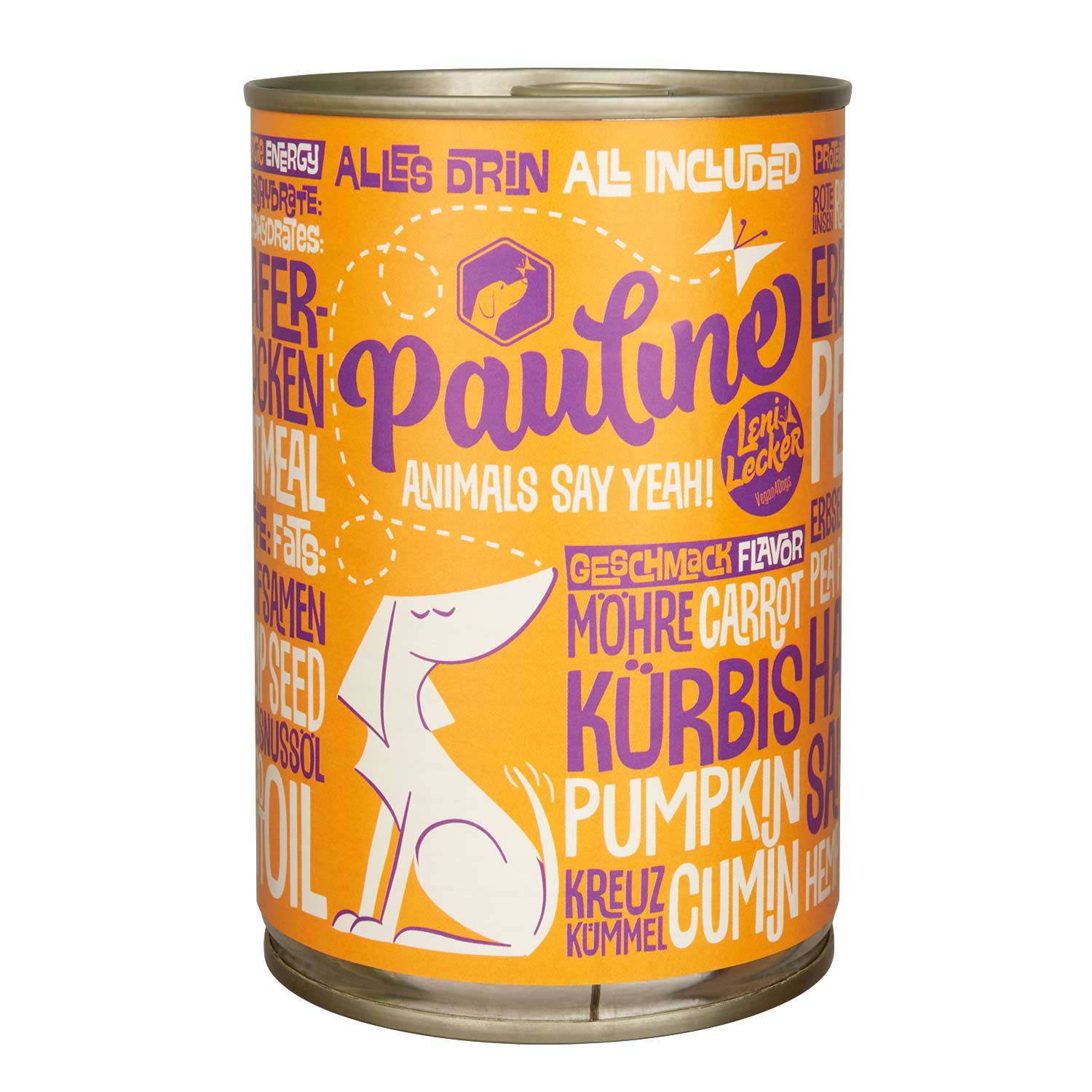
PaulineComplete Food for DogsPauline is our vegan canned food by Vegan4Dogs. After 2 1/2 years of development with many trials and flavours, our test crew "Eddie and Vriends" decided on the ingredients of Pauline.Developed by Leni Lecker in collaboration with experts in the field of animal nutrition. As a complete food, Pauline provides all the necessary nutrients for adult dogs according to their needs.Pauline offers protein from red lentils, peas, hemp seeds, oat flakes and pea protein. In addition to protein, the hemp seeds also provide a healthy source of fatty acids, which we have supplemented with coconut oil.Carrot, pumpkin, tomato paste and cumin refine the taste. To complete Pauline, vitamin B12 and co. are of course also included.For details, check out the composition.Feeding Recommendation5 kg Dog: 200g10 kg Dog: 400g15kg Dog: 600g20 kg Dog: 800g30 kg Dog: 1200g40 kg Dog: 1600gEach dog is different; you know your dog the best. Adjust the amount of food according to the vitality, age and health of your dog. Take care to always provide sufficient amounts of fresh water.Good to know: Why we opt out of the organic certification for PaulineWe don't compromise when selecting ingredients for Pauline. The red lentils, pumpkin, and carrots come from farms that practice natural farming methods. This means these crops are grown without the use of synthetic chemical pesticides or artificial fertilizers.You might be wondering, however, why you don’t see an official organic certification label on the can. There’s a reason for this which is important to us for your dog’s health:Optimal Nutrition: To ensure that Pauline is a complete and balanced diet, we add essential nutrients such as vitamin B12.Regulations: Current legislation often does not allow for organic certification when such additives are included.We made a conscious decision: nutritional safety comes before certification. This ensures that your dog gets all the vitamins they need, while the quality of the ingredients in the can continues to meet the high standards you expect from us.Let your dog decide!
Content:
400 Gramm
(€1.15* / 100 Gramm)
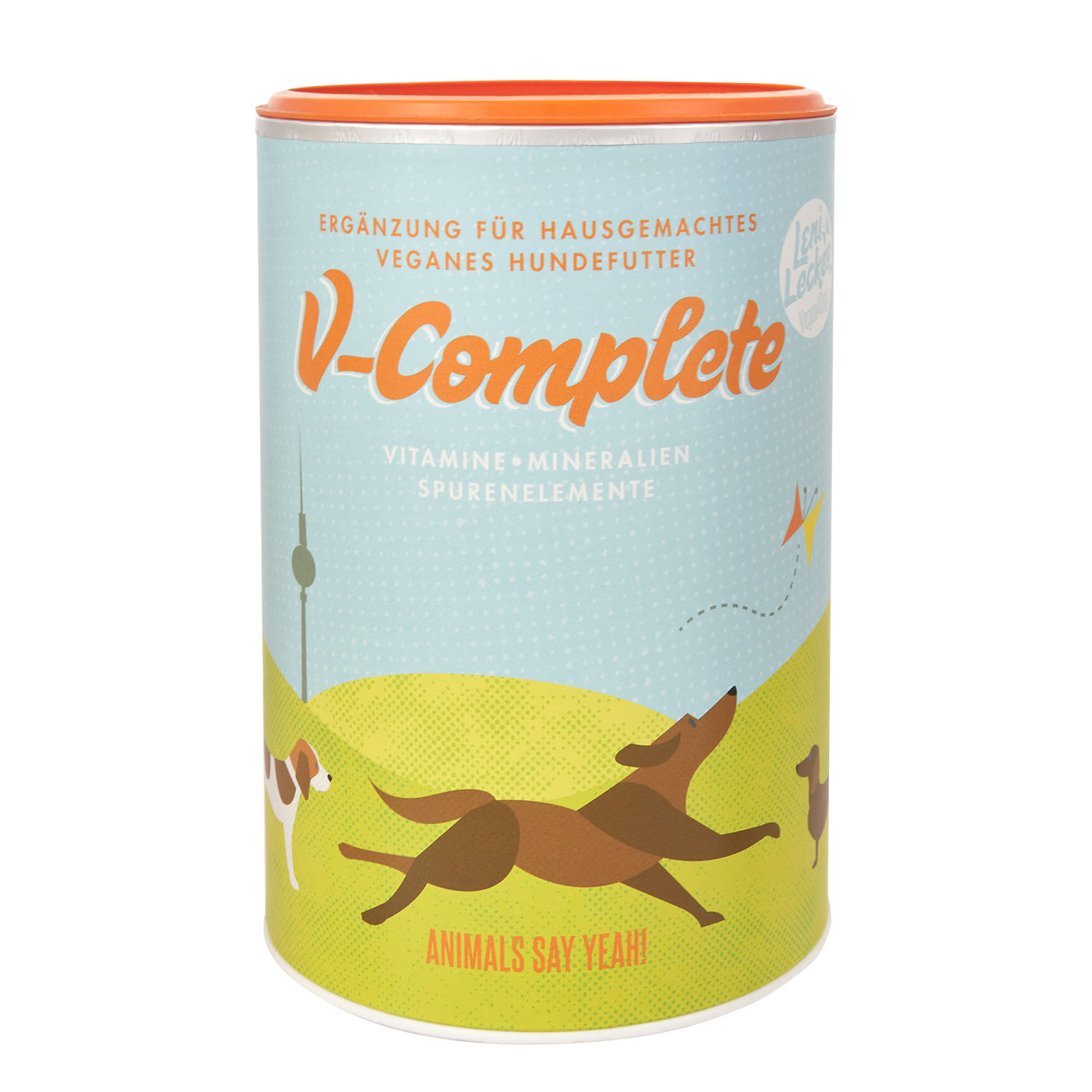
V-CompleteSupplement for homemade vegan dog food 'Made in Germany'.Complementary Food for DogsDeveloped by Leni Lecker in cooperation with experts from the field of veterinary medicine. V-Complete rounds up your homemade dog meal with vitamins, minerals and trace elements as well as methionine and tryptophan which are essential for the health of your dog.V-Complete offers you the opportunity to be your own chef and to satisfy your dog's preferences. That enables you to show consideration for allergies and to create a menu according to your dog's needs. What is more satisfying than cooking for the whole family and eating together.With V-Complete you supplement everything that is necessary such as vitamin B12 and calcium and you can prepare a complete and delicious meal. Here you find our recipe recommendations.Feeding recommenation is 2g per 5kg body weight added to your homemade meals following our general feeding recommendation for V-Complete.V-Complete contains L-carnitine and taurine.V-Complete is suitable for adult, non-pregnant, non-lactating dogs.V-Complete is also suitable for dogs with an allergy to animal protein.All ingredients are carefully selected and of course vegan.We wish you pleasant meal preparations
Content:
650 Gramm
(€4.91* / 100 Gramm)
More Articles
-
 Veganuary 2026🌱 Try a vegan diet this January – for you and your dog! Find tips, benefits, and delicious food ideas in our blog.Read More
 -
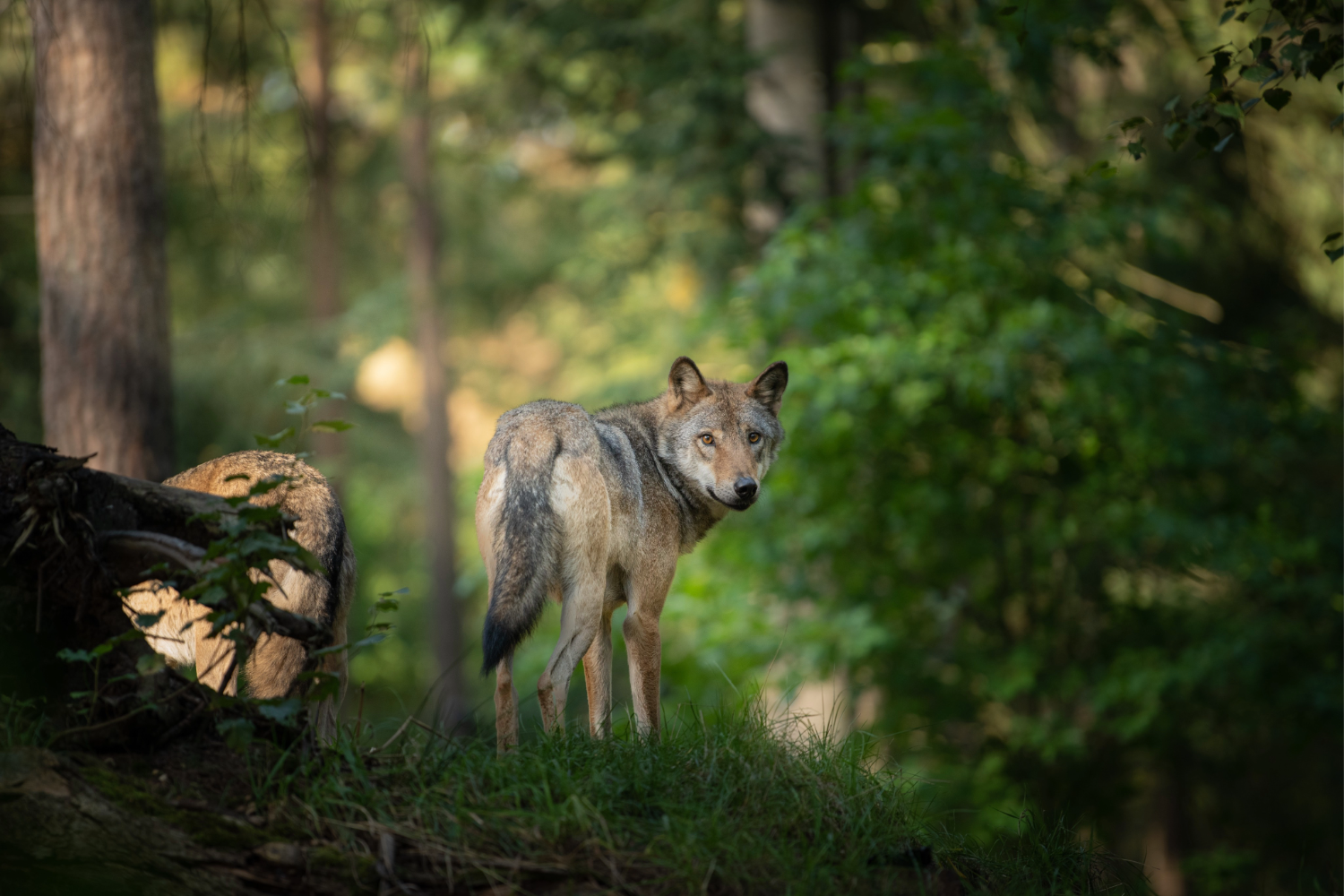 The Dog a Wolf! Or maybe Not?In this article, we explore how much wolf remains in today’s dogs and whether a meat-free diet truly goes against their nature.Read More
 -
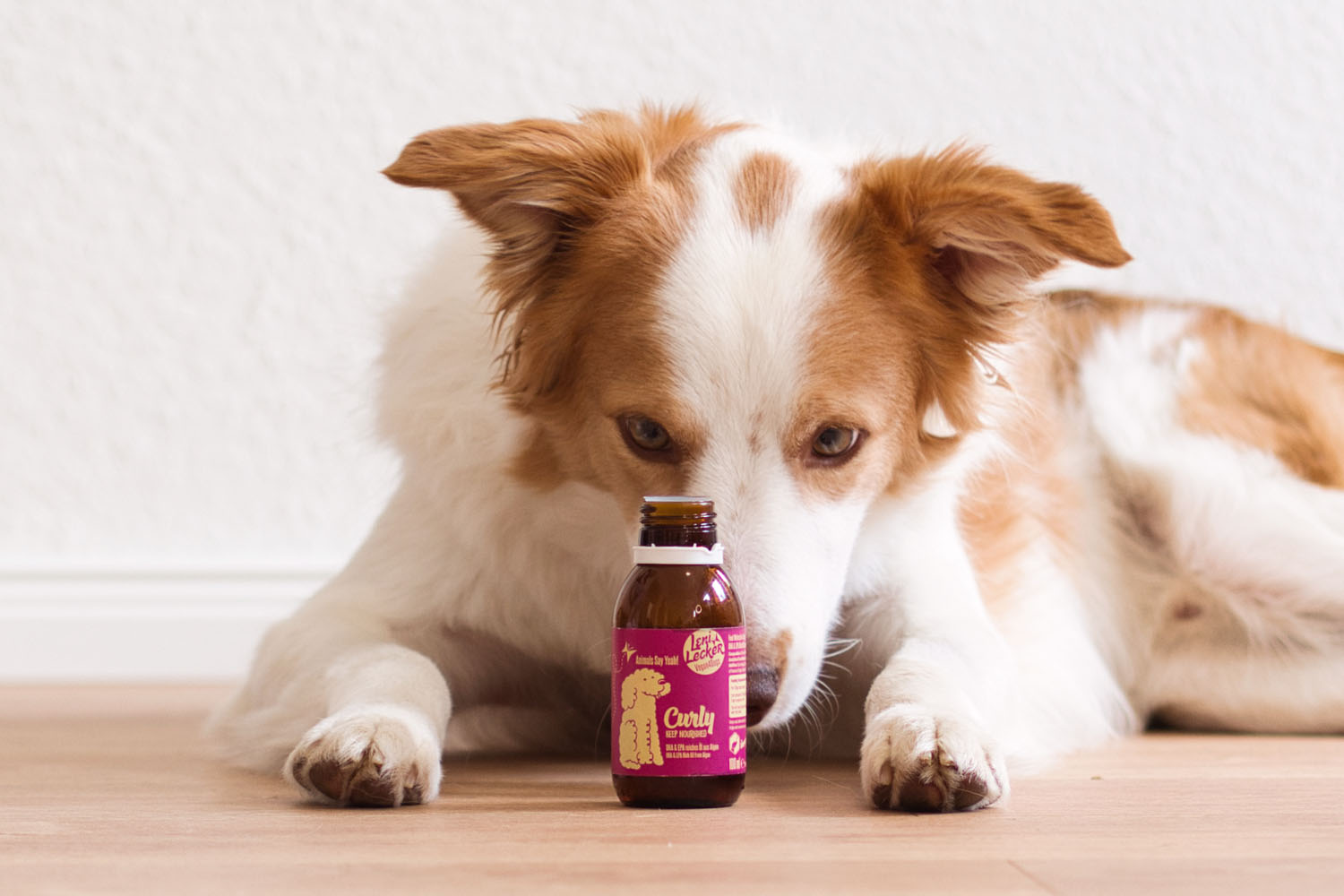 Curly - Our DHA oil from algae has arrived!Our popular product is making a comeback - now as high-quality DHA and EPA oil from algae.Read More
 -
 Tobi, a mixed-breed hunting dog on his way back to lifeTobi was seriously ill – but a vegan diet helped him recover. An inspiring story of hope.Read More
 -
 Experience report from Gerty with LokiAfter ongoing digestive issues and several food trials, a vegan diet provided a stable solution for Loki.Read More
 -
 Experience report from Janina & Thomas with LunaLuna is finally blossoming thanks to a vegan diet - more energy, shiny coat, happy all round. Our experience shows: Every step counts!Read More